
In construction, longevity usually boils down to how well a building can accommodate movement. Cracks or leaks can occur when materials expand and contract in response to changes in temperature, moisture and load. It is here that waterproofing expansion joints in Newcastle come into shining sale. Knocking out these weak spots stands up to the entrance of water, even though making allowances for constructions to be able to flex as they should certainly keeps them free from getting torn or broken in any way.
Waterproofing expansion joints are often installed in places vulnerable to weather or water, such as rooftops, basements, bridges and car parks. These joints are constructed to withstand the stresses of movement and yet remain leak-proof. Without this, water can penetrate the framework and cause corrosion, deterioration of reinforced concrete and expensive remedial work.
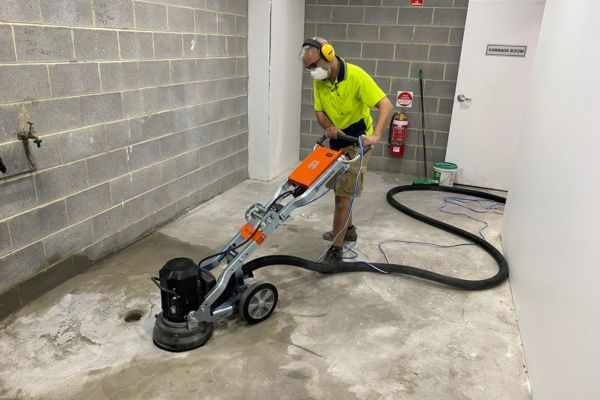
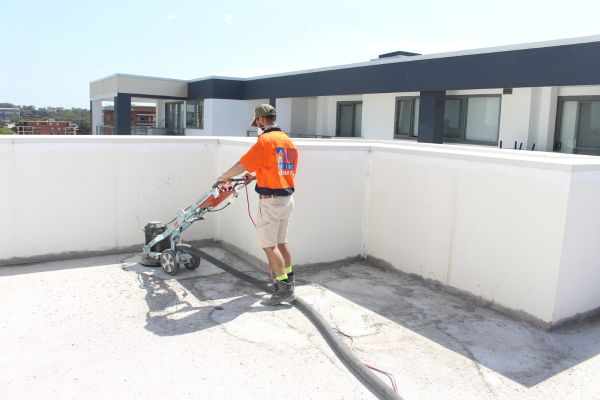
The installation is one that needs to be carefully planned, however. To obtain proper adhesion between the joint system and substrate, surfaces must be clean, sound and prepared as directed above. Material selection makes a difference, too — joints have to withstand UV exposure, chemical contact and differing pressure. For instance, roof joints have different conditions to those in a basement or suspended slab, for example.
Maintenance is equally important. Even durable watertight expansion joints need occasional maintenance to detect erosion, separation or damage resulting from weathering. Reactive maintenance is less cost-effective, as preventive measures are not taken and results in joint damage through normal wear and tear.
By introducing waterproofing expansion joints into a construction job, or when renovating one home/commercial premises in the district, one can avoid a great deal of risk from leaks and decay. Not only do they protect the building, but they can enhance long-term performance, making them a ‘must have’ in today’s design environment.




Write a comment ...