Concrete is among the most durable building materials that is used in commercial structures, car parks factories, warehouses and other public infrastructure throughout Australia. But even the most robust concrete structures require regular maintenance to ensure their durability and efficiency. One of the least understood yet vital aspects of maintenance for buildings is the maintenance of commercial concrete joints.
Concrete expansion joints have been specifically made to accommodate the movement brought on by temperature variations or structural settling as well as environmental conditions. If these joints are not maintained they can be an important source of water intrusion cracking, cracking and structural degrading. A regular maintenance program can prolong the life of concrete structures, while also reducing costs for repairs.
Understanding Concrete Expansion Joints
Concrete expands, contracts and shrinks in response to variations in moisture and temperature. Expansion joints are specifically designed gaps that permit this movement to take place without causing any damage or stress to the concrete surrounding.
The joints are often located in:
Commercial buildings
Multi-level car parks
Warehouses for industrial production
Shopping centres
Infrastructure projects and bridges
Concrete walkways and concrete pavements
The joint system generally comprises sealants and flexible materials designed to withstand movements while blocking dirt, water and other debris from getting into the structure.
Why Joint Maintenance Should Never Be Ignored
A lot of property owners concentrate on the visible damage to their concrete but do not pay attention to the state that their joint expansion is in. The problem is that failing joints can create the series of issues that can be costly to repair.
Water Infiltration Risks
One of the primary purposes that an expansion joint serves is to stop water from entering. As time passes, sealants may shrink, crack or break off with the surface of concrete, thereby creating ways for water to penetrate.
When moisture is introduced into structures, this may result in:
Concrete deterioration
Reinforcement corrosion
Growth of mold
Surface staining
Structural weakening
With Australia's various climate water damage is one of the main reasons for premature concrete failure.
Increased Structural Stress
Expanded joints enable concrete to move with ease in the midst of seasonal temperature fluctuations. When joints are damaged or blocked the structure is unable to effectively accommodate movements.
This can lead to:
Concrete cracking
Surface displacement
Joint edge spalling
A decrease in structural performance
Regular maintenance makes sure joints are functioning properly and safeguard concrete surrounding them.
Common Signs of Joint Deterioration
Being aware of early warning signs could assist property owners to address issues prior to major repairs becoming necessary.
A few common indicators are:
Joint sealant that has split or cracked
Sections of sealant missing
Leaks of water around joints
Visible debris accumulation
Concrete cracks in the vicinity of joints
Concrete surfaces that are uneven
Staining or signs of corrosion
Routine inspections are vital in identifying issues before they become serious and stopping the possibility of further destruction.
The Benefits of Professional Commercial Concrete Joint Maintenance
Professional maintenance programs provide significant benefits for commercial property owners as well as facility managers.
Extended Asset Lifespan
Joints that are properly maintained to protect concrete structures from movement-related damages, prolonging the lifespan of the whole asset.
Reduced Repair Costs
Prevention-based maintenance is considerably cheaper than major repairs to the structure. Taking care of minor joint issues in the early stages can save you money on restoration projects later on.
Improved Safety
Joints that are damaged can cause dangers for slipping, uneven surfaces and structural problems which could pose dangers for building occupants as well as visitors.
The maintenance of joints can help ensure that the safety standards are met and minimizes risk of liability.
Better Building Performance
An efficient and well maintained expansion joint helps to ensure the overall durability and stability for commercial buildings. This translates into longer-term performance, and less maintenance needs.
Best Practices for Concrete Joint Maintenance
A successful joint maintenance program requires more than simply replacing the old sealant. A complete plan typically comprises:
Routine Inspections
Regular inspections help to identify wear, damage and troublesome areas prior to they get worse.
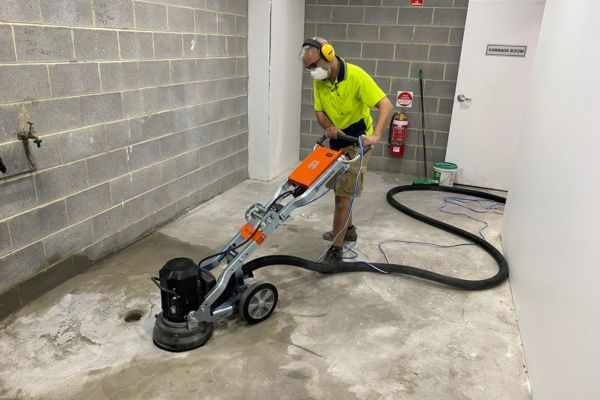
Cleaning and Preparation
The removal of dirt, debris and other pollutants ensures that sealants that are new adhere correctly and work efficiently.
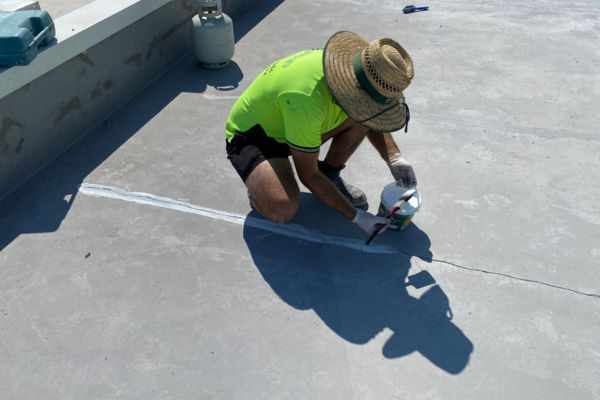
Sealant Replacement
Sealants that are damaged or worn out need to be replaced with top-quality materials that can withstand the effects of the movement of the sealant and exposure to environmental elements.
Structural Assessment
In some instances, problems underlying the issue could cause joint failure. Professional contractors can assess concrete structures and suggest suitable repairs.
Choosing the Right Maintenance Partner
Concrete joint repair for commercial use demands specific knowledge, equipment and expertise. Finding a reputable contractor is vital to ensure lasting outcomes.
Property owners should seek out experts in expansion joint systems, waterproofing options and concrete remediation services. Professionals with experience can create customized maintenance plans based on the specific needs of every structure.
Companies like United Trade Links have extensive expertise in providing concrete joint maintenance solutions to construction and infrastructure projects across Australia. Their experience helps homeowners protect their valuable assets, while also ensuring that expansion joints perform effectively in harsh conditions.
Protecting Your Investment for the Future
Commercial properties are significant investment over the long term, so ensuring their structural integrity is the top priority. While expansion joints can appear as if they are a tiny part of a larger structure their function in protecting against damage and accommodating movement is crucial.
The neglect of joint maintenance can cause the deterioration of concrete, water damage and costly structural repairs which could have been prevented by taking proactive measures.
Final Thoughts
Concrete joint repair for commercial use plays a crucial part in protecting structures, infrastructure and industrial facilities from deterioration that is premature. In ensuring that expansion joints are flexible and sealed property owners can protect their structures from cracking, water intrusion, and other damage due to movement.
Inspections regularly, maintenance preventative and professional repair services are able to greatly extend the life of concrete assets, while also decreasing the long-term cost. For Australian property owners looking for secure options, investing in professional expanding joint repairs is an efficient and cost-effective method of preserving structural strength and securing the value of their investment.



Write a comment ...